For compounders, the performance of a production line is measured not only by equipment specifications, but also by its ability to process different materials efficiently, switch between formulations smoothly, and consistently produce products that meet the required quality standards.
Recently, KYMACH successfully completed a comprehensive pre-shipment trial for a customer in Kazakhstan.
The customer is planning to establish a compounding pilot and production line in Kazakhstan and required one extrusion system capable of processing a wide range of formulations. Particular attention was given to product quality, automation, processing stability, and formulation flexibility.
Following technical discussions, process evaluation, and equipment selection, the customer chose the KYMACH HK63MT high-torque co-rotating twin-screw extruder, configured for 600 rpm operation with a specific torque of 12.5 Nm/cm³.
Before shipment, the customer brought their own raw materials to KYMACH for a comprehensive pre-shipment material trial. The complete system operated continuously for 7 days, during which 10 different formulations were tested, with approximately 10 tons of raw materials processed.
The trials were completed successfully. The equipment operated steadily, feeding and discharge remained consistent, the automated process ran smoothly, and formulation changes could be carried out efficiently. The test results met the customer's expectations, and the equipment successfully passed the customer's on-site acceptance.
The complete production line has now completed its pre-shipment preparations and is ready for delivery to the customer's plant in Kazakhstan.
To comprehensively evaluate the processing capability of the extrusion system, the customer tested 10 different formulations, using approximately 10 tons of raw materials in total.
The main materials tested included:
l PPR + 25% glass fiber reinforced compound
l PPR + 60% TiO₂ white masterbatch
l HDPE + 60% calcium carbonate filled compound
l PP + 50% barium sulfate / calcium carbonate filled compound
l PP + 60% calcium oxide filled compound
l PP + 65% talc filled compound
l Other modified formulations, for a total of 10 formulations
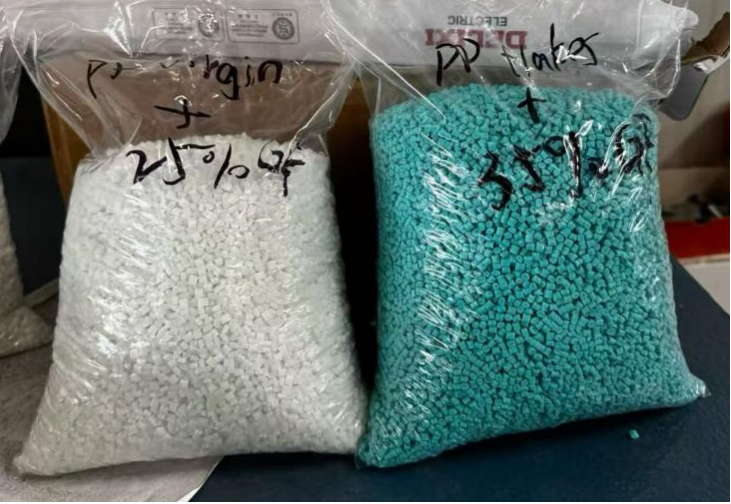
The trials covered a wide range of processing conditions, from high-flow and low-MFI resins to glass-fiber reinforced compounds, highly filled mineral formulations, and recycled-material processing.
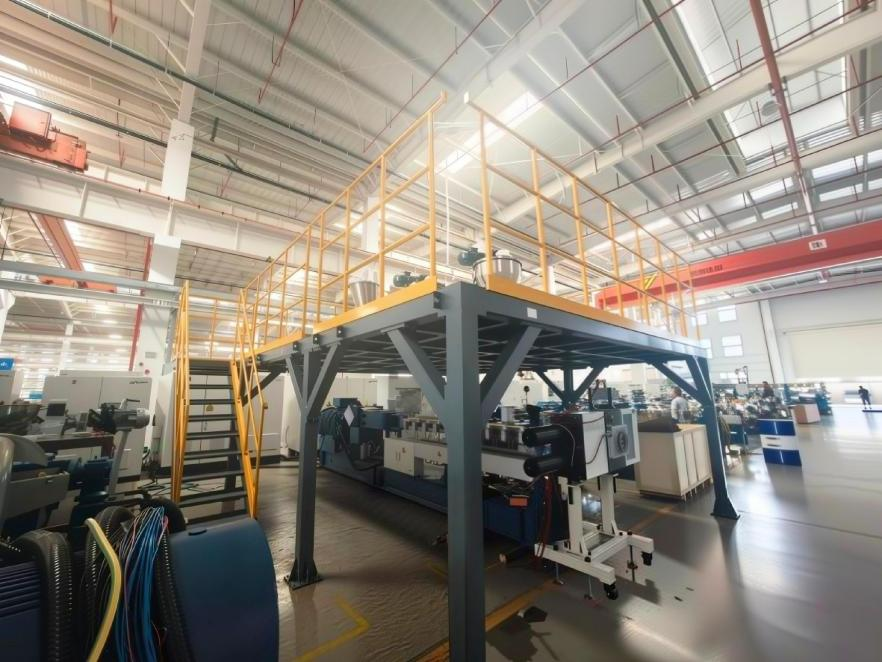
The successful trials demonstrated the ability of one extrusion system to accommodate multiple formulations and processing requirements.
One of the customer's main concerns during the project was not only production capacity, but also the formation of air bubbles in the final pellets.
Certain highly filled formulations and recycled materials can introduce moisture, entrained air, or volatile components during processing. If these components are not effectively removed, they may result in bubbles or voids inside the pellets, potentially affecting product appearance, mechanical properties, and subsequent processing performance.
To address this issue, KYMACH's technical team optimized the process according to the characteristics of different materials, including:
· Screw configuration
· Feeding and material addition sequence
· Vacuum devolatilization
· Temperature settings
· Overall process parameter matching
Through continuous trial production and process adjustment,the bubble forming issue was mitigated via process adjustments under these trial conditions, and the customer confirmed the results.
For plastic compounding, stable plasticization, effective devolatilization, and appropriate process control are essential in addition to sufficient production capacity.
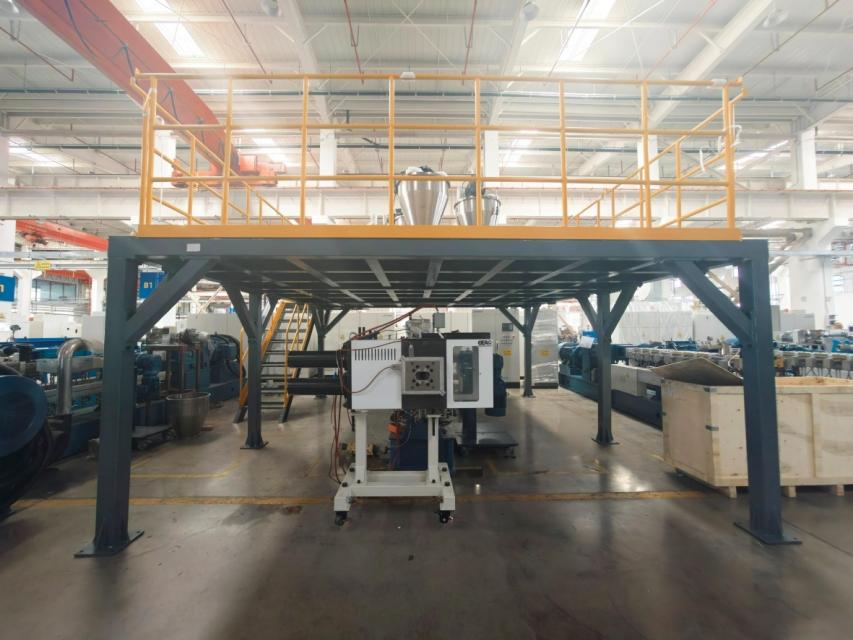
In addition to the main extrusion system, the project includes a relatively comprehensive automated production system covering multiple stages of the process.
The system includes:
· Automatic raw material conveying
· Automatic weighing and loss-in-weight feeding
· Water-cooled strand cooling
· Strand pelletizing
· Vibratory screening
· Automatic packaging, including both small-bag and big-bag packaging
The integrated automation system helps reduce manual intervention while improving formulation changeover efficiency and feeding consistency. It also provides a suitable foundation for the customer's future continuous production requirements.
During the multi-day trials covering a wide range of formulations, the complete production line operated steadily. Feeding and discharge remained consistent, pelletizing performance was stable, and the system demonstrated convenient formulation changeover.
The project uses the HK63MT co-rotating twin-screw extruder, with key features including:
· 600 rpm high-speed operation, balancing production capacity and process stability
· 12.5 Nm/cm³ specific torque, suitable for glass-fiber reinforcement, highly filled formulations, and higher-viscosity materials
· Modular screw design, allowing the screw configuration to be adjusted according to different formulations and processing requirements
· Effective plasticization, dispersion, and devolatilization, supporting a wide range of complex formulations
· High level of automation and line integration, suitable for continuous industrial production
The combination of high torque, flexible screw configuration, and integrated automation allows the HK63MT to handle a broad range of compounding applications within one production platform.
For KYMACH, the delivery of an extrusion system is not limited to the equipment itself. It also includes process support throughout the project.
From formulation analysis, equipment selection, and screw configuration to material trials, process optimization, and complete line delivery, KYMACH works closely with customers to address practical processing requirements and support the transition from trials to stable production.
This Kazakhstan project is another example of how systematic material testing and process optimization can help customers evaluate a multi-purpose compounding line before shipment.
KYMACH will continue to provide twin-screw extrusion equipment and integrated compounding solutions for customers in the global plastics industry, supporting a wide range of applications from reinforced compounds and highly filled materials to masterbatch and recycled-material processing.
 KYMACH and Beijing University of Chemical Technology Advance Twin-Screw Extrusion Devolatilization Research
Oct 09. 2026
KYMACH and Beijing University of Chemical Technology Advance Twin-Screw Extrusion Devolatilization Research
Oct 09. 2026
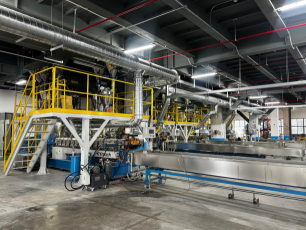 From Steel Platform to Production in One Month: KYMACH Delivers Six Compounding Lines for Zhejiang Jushen
Oct 09. 2026
From Steel Platform to Production in One Month: KYMACH Delivers Six Compounding Lines for Zhejiang Jushen
Oct 09. 2026
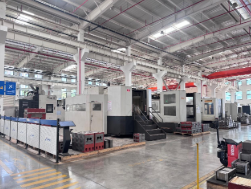 16 Sets of 125-Series Twin-Screw Extruders Ordered in Q3 2026: KYMACH Expands Its UHMWPE Fiber Equipment Track Record
Oct 09. 2026
16 Sets of 125-Series Twin-Screw Extruders Ordered in Q3 2026: KYMACH Expands Its UHMWPE Fiber Equipment Track Record
Oct 09. 2026
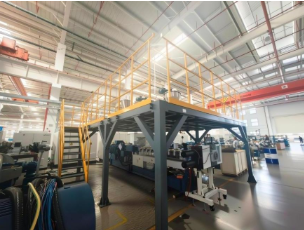 10 Formulations Tested in 7 Days: KYMACH Supports Kazakhstan Customer with Comprehensive Material Trials
Oct 09. 2026
10 Formulations Tested in 7 Days: KYMACH Supports Kazakhstan Customer with Comprehensive Material Trials
Oct 09. 2026

Address : No.9 Chaoxiu Road Lishui Nanjing,Jiangsu,China
Email : info@kymach.com
website : www.kytwinscrew.com
website : www.keyatwinscrew.com