Company News

KYMACH Vietnam Customer Case Study: Customized TPU Extrusion and Micro Pelletizing Solution
Precision Twin Screw Extrusion for Medical Polymer Materials: KYMACH Supports a New Material Processing Breakthrough
KYMACH Application Laboratory: Turning Your Formulation into a Product
  • KYMACH Vietnam Customer Case Study: Customized TPU Extrusion and Micro Pelletizing Solution
    KYMACH Vietnam Customer Case Study: Customized TPU Extrusion and Micro Pelletizing Solution
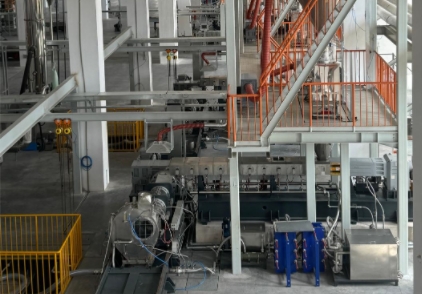
    Customized Twin Screw Extrusion for Precision TPU Processing A manufacturer in Vietnam specializing in high-end footwear materials and safety helmets was looking for a more reliable way to process thermoplastic polyurethane (TPU) into small, uniform pellets with consistent flow properties. For downstream applications requiring precise processing, pellet size, moisture content, and material consistency can have a direct impact on production performance. KYMACH analyzed the customer's material and production requirements and developed a customized TPU compounding and pelletizing system centered around an HK73 twin screw extruder. The complete solution integrates material drying, automatic feeding, twin screw extrusion, underwater pelletizing, dewatering, drying, and centralized control into a coordinated production line. Customer Challenges in TPU Processing TPU is widely used in footwear, protective products, and other demanding applications because of its combination of wear resistance, flexibility, and transparency. At the same time, TPU processing requires careful control of material moisture and processing conditions. The customer's original production system faced several practical challenges: ·  Insufficient raw material drying, resulting in bubbles and other defects ·  ·  Unstable manual feeding ratios, affecting batch-to-batch consistency ·  ·  Inconsistent pellet size, creating difficulties for downstream processing ·  ·  A fragmented production process, resulting in higher labor and energy requirements ·  The customer therefore needed an integrated extrusion solution capable of providing more stable feeding, processing, and pelletizing conditions. KYMACH Solution: HK73 Twin Screw Extrusion System Based on the customer's requirements, KYMACH developed a customized TPU twin screw extrusion and pelletizing line. The system is built around the HK73 co-rotating twin screw extruder and integrates several auxiliary systems to create a continuous production process. HK73 Co-Rotating Twin Screw Extruder The HK73 twin screw extruder is configured with an L/D ratio of 48:1, providing sufficient process length for melting, mixing, homogenization, and process control. The screw configuration is selected according to the characteristics of the TPU formulation and the required production conditions. The twin screw design provides flexibility for adjusting the material conveying and mixing conditions to suit different TPU processing requirements. TPU Raw Material Drying System Moisture control is particularly important when processing TPU. The integrated raw material drying system removes moisture from the TPU feedstock before extrusion, helping reduce the risk of moisture-related defects such as bubbles during processing. Stable material preparation provides a more consistent starting condition for the extrusion process. Loss-in-Weig...
    October 10, 2026 VIEW details
  • Precision Twin Screw Extrusion for Medical Polymer Materials: KYMACH Supports a New Material Processing Breakthrough
    Precision Twin Screw Extrusion for Medical Polymer Materials: KYMACH Supports a New Material Processing Breakthrough
    Project Background and Processing Challenges A leading manufacturer of medical polymer materials and hygiene products in East China faced a critical processing challenge during the development of a new material formulation. The new formulation required tight control of processing temperature, mixing uniformity, and continuous production stability. Maintaining consistent processing conditions was essential to achieving the target material properties and ensuring reliable downstream production. The material is used in applications related to medical and hygiene products, including advanced wound care materials and medical protective products. This placed additional demands on the consistency and stability of the compounding process. For the customer, the challenge was not simply to process the formulation. The objective was to establish a stable and controllable twin screw extrusion process capable of meeting the material's demanding processing requirements. KYMACH Twin Screw Extruder Solution To address these requirements, KYMACH provided a high-performance twin screw extrusion system as the core of the processing solution. The equipment was configured to provide stable torque, precise temperature control, efficient mixing, and reliable continuous operation. Several key design features were directly related to the customer's processing requirements. High Specific Torque for Intensive Compounding The extruder is equipped with a 13.5 Nm/cm³ high specific torque gearbox, combined with high-strength, high-torque material shafts. This configuration provides a strong mechanical foundation for processing high-viscosity and highly filled materials, supporting effective melting, plasticization, mixing, and homogenization. For demanding medical polymer formulations, stable torque transmission is important for maintaining consistent processing conditions as material characteristics change throughout the extrusion process. Precision Temperature Control for Temperature-Sensitive Materials Temperature control was another key requirement of the application. The system combines imported heating elements with optimized spiral cooling channels in the barrel to provide responsive temperature regulation across the processing sections, from the feeding zone through to the die. For temperature-sensitive polymer materials, accurate temperature management helps control the relationship between processing temperature, residence conditions, and material properties. The barrel liners and screw elements are manufactured from wear-resistant materials, providing additional durability for long-term production. High-Speed Operation and Efficient Processing The extruder is designed for a rated screw speed of up to 1,000 rpm, providing flexibility for different processing conditions and production requirements. A low-noise, energy-efficient permanent magnet synchronous water-cooled motor is used as the main drive system, combining high-speed operation...
    October 10, 2026 VIEW details
  • KYMACH Application Laboratory: Turning Your Formulation into a Product
    KYMACH Application Laboratory: Turning Your Formulation into a Product
    At the KYMACH Application Laboratory, we help customers move from material formulation to practical product development through small-scale extrusion trials, process validation, and technical support. With twin screw extrusion equipment and practical polymer processing experience, our laboratory is designed to help customers evaluate new formulations and address real processing challenges before moving to larger-scale production. Core Services: Formulation Validation and Process Development KYMACH provides two main types of laboratory and application services. 1. Formulation Validation Customers can provide their own material formulation for practical extrusion testing. We use twin screw extrusion equipment to evaluate whether the formulation can be processed under suitable operating conditions and to assess the resulting material and pellet quality. Laboratory trials can help customers: l Verify the feasibility of a new formulation l Evaluate processing behavior l Identify suitable extrusion conditions l Obtain trial samples for further testing l Reduce the uncertainty before scale-up 2. Process Development and Implementation A formulation that works on paper may behave differently during actual extrusion. Our engineers work with customers to develop suitable equipment and process conditions for their specific materials, with particular attention to key compounding factors such as: l Dispersion l Homogenization l Plasticization l Material conveying l Temperature control l Screw configuration l Feeding stability The objective is to connect formulation design with a practical and repeatable twin screw extrusion process. Case Study: PP + PEG Modified Material Trial Production Recently, KYMACH completed a small-batch trial production project for a PP + PEG + special powder formulation. Customer Requirement The customer wanted to develop a modified polypropylene material through twin screw extrusion and pelletizing, with the formulation designed to: l Improve material adhesion l Improve processing flowability l Enhance compatibility between the polymer matrix and filler phase Extrusion Process The trial was conducted using a KYMACH HK36 twin screw extruder with a 48:1 length-to-diameter ratio (L/D 48). The main processing conditions included: l Extruder: HK36 twin screw extruder l L/D ratio: 48:1 l Screw speed: 550 rpm l Processing temperature: 160–175°C l Pelletizing: Strand cooling followed by strand cutting l Trial quantity: 300 kg The temperature profile and screw speed were adjusted according to the material's processing behavior during the trial. Trial Production Result The trial successfully achieved a stable production rate of approximately 35 kg/h, and a total of 300 kg of material was produced during the small-batch trial. The resulting pellets were subsequently intended for des...
    October 10, 2026 VIEW details
  • On Site Is Where KYMACH Engineers Work: HK73 Twin Screw Extruder Process Optimization for a Special Material
    On Site Is Where KYMACH Engineers Work: HK73 Twin Screw Extruder Process Optimization for a Special Material
    For KYMACH engineers, the production site is more than just a place to commission equipment. It is where process problems are understood, tested, and solved. A customer had been using a KYMACH HK73 twin screw extrusion line to produce a specialized material for several years. The production process had been stable, and the equipment had consistently delivered reliable results. However, as downstream requirements changed, the material formulation underwent a major adjustment. The proportion of the rubber component increased significantly, while functional fillers were introduced into the formulation. This seemingly straightforward formulation change created a new processing challenge. The increased rubber content made the material more elastic and prone to slipping inside the twin screw extruder, making it difficult to establish sufficient shear and conveying conditions. At the same time, the introduction of functional fillers placed higher demands on dispersion and mixing uniformity. The equipment was familiar. The material was not.   When a Proven Process Meets a New Formulation The original screw configuration and process parameters had been developed for the previous formulation. Under the new material conditions, however, they were no longer sufficient. Uneven mixing became one of the main obstacles to increasing production capacity. This is a common challenge in polymer compounding: changing the formulation can change the entire processing behavior of a material, even when the extrusion equipment itself remains unchanged. For this project, simply increasing the screw speed or feeding rate was not the solution. The process needed to be reconsidered from the perspective of material behavior, screw configuration, temperature control, feeding rate, and residence conditions. The Response Was Not in the Meeting Room. It Was on the Production Floor. After receiving the customer's feedback, KYMACH quickly arranged for a process engineer to travel to the customer's production site. For screw configuration optimization, working with actual material on the actual machine is critical. Laboratory assumptions and theoretical calculations can provide a starting point, but the final process window needs to be verified under real production conditions. Once the KYMACH engineer arrived, the production line effectively became a mobile process laboratory. This on-site approach is an important part of KYMACH's technical service philosophy. Rather than treating commissioning as a standard equipment handover procedure, KYMACH engineers work directly with the customer's equipment, formulation, operating conditions, and production targets. The objective is not simply to make the machine run. It is to help the machine process the customer's specific material reliably. Screw Configuration Is at the Core of the Process For a twin screw extruder, screw configuration plays a critical role in determining how the material is conveyed, mixed, dispersed, and subjec...
    October 10, 2026 VIEW details
  • KYMACH Delivers Digital Compounding Project: Two SK73 Twin Screw Extrusion Lines Pass 72-Hour Continuous Operation Test
    KYMACH Delivers Digital Compounding Project: Two SK73 Twin Screw Extrusion Lines Pass 72-Hour Continuous Operation Test
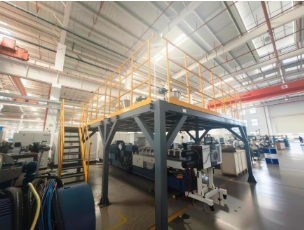
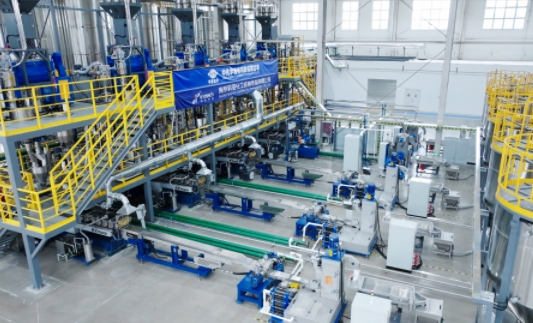
    Nanjing KY Chemical Machinery Co., Ltd. (KYMACH) has successfully completed the delivery and commissioning of a digital compounding project for Jilin Petrochemical, a subsidiary of China National Petroleum Corporation (CNPC). The project includes two SK73 twin screw extrusion lines for ABS compounding and modification. Both production lines have completed installation, commissioning, and a 72-hour continuous operation test, and have been put into operation. The project represents another practical application of KYMACH's capabilities in digital compounding systems, twin screw extrusion technology, and turnkey polymer compounding solutions for the petrochemical industry.   From Imported Equipment to Local Twin Screw Extrusion Technology Jilin Petrochemical had previously used imported equipment for related applications. This project marks the customer's first use of domestically manufactured twin screw extrusion equipment for this type of key laboratory production line. Before the project was awarded, the customer conducted multiple rounds of technical evaluation and on-site assessment, covering equipment design, engineering capabilities, process experience, and project implementation. KYMACH was selected to provide the equipment and engineering solution based on its experience in twin screw extrusion, polymer compounding, turnkey projects, and petrochemical applications. From equipment delivery and installation to commissioning and continuous operation testing, the KYMACH engineering team worked closely with the customer's technical team throughout the project. Two SK73 Twin Screw Extruders Complete 72-Hour Continuous Operation One of the key milestones of the project was the 72-hour continuous operation test. During the test, both SK73 production lines operated continuously and achieved a throughput of approx. 1 500 kg/h under specified ABScompounding conditions. The continuous operation test covered not only the mechanical performance of the twin screw extruders, but also the stability of the complete compounding system and the compatibility of the process parameters with the ABS modification application. For ABS compounding, stable feeding, effective mixing, temperature control, and appropriate screw configuration are important factors affecting the final production performance. KYMACH engineers remained on site during commissioning and operation testing, monitoring equipment status and process parameters and making adjustments based on actual operating conditions. Digital Compounding System Provides Real-Time Process Data Digitalization was an important part of the project delivery. During the 72-hour continuous operation period, the system continuously monitored key process parameters, including melt temperature, through intelligent sensors and data acquisition functions. The collected process data provided real-time information for the engineering team during commissioning and process optimization. Based on the operatin...
    October 10, 2026 VIEW details
  • From First Consultation to Long-Term Partnership: Five KYMACH Extruders Successfully Delivered
    From First Consultation to Long-Term Partnership: Five KYMACH Extruders Successfully Delivered
    Many customer relationships at KYMACH begin with a brief conversation at an exhibition or a technical discussion at an industry forum. We believe that successful cooperation often takes time. Rather than focusing only on the initial equipment purchase, we maintain long-term communication with customers, working together to understand process requirements, evaluate equipment options, and refine solutions as their projects develop. First Contact in 2023, Partnership in 2026 In early 2023, a customer who was new to the plastic compounding industry approached KYMACH for technical consultation. At that time, the customer's project was still in its early stages. The product portfolio was under development, and the customer was evaluating different equipment and processing routes. KYMACH's technical team reviewed the customer's material system and initial production plans, and provided recommendations regarding twin-screw extruder selection and process parameter optimization. Over the following three years, the two sides remained in contact. As the customer's process requirements and production plans evolved, KYMACH continued to provide technical support. When technical questions arose, the customer would also communicate directly with KYMACH's engineers to discuss processing issues and potential solutions. The discussions were not limited to equipment. They also covered processing technology, market development, and future production plans. In April 2026, the two sides met again at CHINAPLAS. By then, the customer's production requirements had expanded and the project had entered a new stage. In August 2026, the customer officially placed an order with KYMACH for five twin-screw extruders: two HK63MT units and three HK53MT units, for large-scale production of polyolefin masterbatch.   Technical Solution for Polyolefin Masterbatch Production Polyolefin masterbatch production places relatively high demands on feeding capacity, dispersion and mixing performance, temperature control, and energy efficiency. To support the customer's transition from formulation development to large-scale production, KYMACH developed an integrated equipment and process solution. Higher Torque for Higher Throughput The HK MT series co-rotating twin-screw extruders use a high-torque drive design with increased gearbox load capacity and stable torque transmission. Higher specific torque allows the extruder to deliver greater mechanical power at a given screw speed. This provides greater flexibility in material filling and processing intensity, supporting higher throughput within the applicable process conditions.   Enlarged Feeding Opening For masterbatch formulations containing high levels of powders and pigments, feeding capacity can become a limiting factor. KYMACH optimized the geometry of the main feeding barrel by increasing the feeding opening area. Combined with conveying screw elements with a larger pitch, this design improves material intake and helps re...
    October 10, 2026 VIEW details
  • KYMACH and Beijing University of Chemical Technology Advance Twin-Screw Extrusion Devolatilization Research
    KYMACH and Beijing University of Chemical Technology Advance Twin-Screw Extrusion Devolatilization Research
    Joint R&D Center explores process optimization for more precise and controllable polymer devolatilization The Joint R&D Center for Polymer Compounding and Modification Equipment, jointly established by KYMACH Equipment and Beijing University of Chemical Technology, has recently made progress in the study of twin-screw extrusion devolatilization. The two parties carried out a systematic experimental study on the optimization of devolatilization in twin-screw extrusion, focusing on the relationship between equipment operating conditions and the process window for reducing volatile residues in polymers. The work reflects KYMACH's accumulated experience in continuous polymer processing equipment while providing a practical approach for studying and optimizing devolatilization processes. Addressing a Common Challenge in Polymer Processing During polymer processing, residual monomers, solvents, oligomers, and other low-molecular-weight volatile components can directly affect material odor, thermal stability, processing safety, and subsequent application performance. Achieving stable reduction of volatile residues under continuous production conditions is therefore an important process challenge for many polymer processing applications. A twin-screw extruder combines continuous conveying, melting, mixing, dispersion, and enhanced mass transfer within a single processing system. The continuous renewal of the melt surface through screw-element movement, together with the formation of a favorable interface in the vacuum section, can support the continuous removal of volatile components from high-viscosity polymer systems. Based on its experience in twin-screw extruder design and manufacturing, KYMACH worked with Beijing University of Chemical Technology to conduct systematic experiments aimed at converting these equipment characteristics into measurable and reproducible process capabilities.   Experimental Study Identifies Three Key Process Parameters The study used an experimental design approach and focused on three process parameters that can be adjusted relatively directly during production: l Screw speed l Barrel temperature l Feeding rate l The experimental ranges were: l Temperature: 210–230 °C l Screw speed: 200–300 rpm l Feeding rate: 10–20 kg/h The objective was to minimize volatile residues as far as possible under continuous processing conditions.   The experimental results provided three important observations. 1. Feeding Rate Had the Most Significant Effect Increasing the feeding rate can improve equipment utilization and production throughput, but it also reduces the effective exposure time of the material in the vacuum section. This means that the feeding rate needs to be balanced against the required devolatilization performance. 2. Higher Temperature Does Not Always Mean Better Devolatilization Increasing temperature can reduce melt viscosity an...
    October 09, 2026 VIEW details
  • From Steel Platform to Production in One Month: KYMACH Delivers Six Compounding Lines for Zhejiang Jushen
    From Steel Platform to Production in One Month: KYMACH Delivers Six Compounding Lines for Zhejiang Jushen
    As the high-performance new materials industry moves toward greater automation and localization, project delivery efficiency and integrated production-line capabilities are becoming increasingly important for equipment suppliers. Recently, KYMACH completed the delivery and commissioning of six high-performance plastic compounding lines for Zhejiang Jushen New Materials Co., Ltd. From the construction of the steel platforms to the start-up of the production lines, the complete project was completed in approximately one month, demonstrating KYMACH's capability to provide integrated engineering, equipment, and commissioning services for compounding projects.   Full-Project Support from Line Design to Production Zhejiang Jushen New Materials Co., Ltd. is a subsidiary of Junyuan Holding Group focusing on the development and production of high-performance specialty new materials. The company has also established a joint laboratory with the Zhejiang University Yangtze River Delta Smart Oasis Innovation Center. For this project, the customer placed particular emphasis on process visibility, operator-friendly design, plant cleanliness, and overall system integration. The requirements therefore extended beyond the performance of individual machines to the design and coordination of the complete production facility. KYMACH became involved during the early project stage and provided an integrated production-line layout and engineering solution. The objective was to identify potential installation and operation issues during the design stage and reduce rework and material waste during implementation. During installation and commissioning, the project teams coordinated the different stages of construction, equipment installation, commissioning, and production preparation. From steel platform construction to the production lines being ready for operation, the main project was completed in less than one month. Customized Solutions for Three Different Processing Requirements The project includes six high-performance compounding lines, each configured according to its specific application and production requirements. 1. Three HK63 High-Torque Production Lines + One HK36 High-Torque Pilot Line for Nylon Compounds The nylon compounding lines were designed for small-batch, multi-formulation production. One of the main challenges was material handling. Due to the relatively small production batches and frequent formulation changes, fully automated material conveying was not practical for all materials, making manual feeding necessary. Another challenge was the installation of three production machines side by side while processing materials with different colors. During manual feeding and material handling, the risk of cross-contamination therefore needed to be minimized. The line design was developed with both operator convenience and easy cleaning in mind. A recessed design was incorporated into the steel platform around the feeding areas, providing easier...
    October 09, 2026 VIEW details
  • 16 Sets of 125-Series Twin-Screw Extruders Ordered in Q3 2026: KYMACH Expands Its UHMWPE Fiber Equipment Track Record
    16 Sets of 125-Series Twin-Screw Extruders Ordered in Q3 2026: KYMACH Expands Its UHMWPE Fiber Equipment Track Record
    16 Sets of 125-Series Twin-Screw Extruders Ordered in Q3 2026: KYMACH Expands Its UHMWPE Fiber Equipment Track Record As high-performance fibers continue to expand into applications such as defense, marine engineering, and advanced textiles, the market for ultra-high molecular weight polyethylene (UHMWPE) fiber is developing rapidly. As a key component in the fiber production line, large-scale twin-screw extrusion systems are also seeing increasing demand. In the third quarter of 2026, KYMACH secured an order for 16 sets of 125-series large twin-screw extruders for UHMWPE fiber production. The order reflects the growing demand for KYMACH's large-scale extrusion equipment and its accumulated experience in this application. Addressing the Challenges of Slurry-Based Raw Materials UHMWPE fiber production uses a specialized slurry or solution-based feedstock, which places high demands on the sealing performance, process stability, and reliability of the extrusion system. Material leakage can be a significant challenge during production. If not properly controlled, leakage may result in material loss and can also affect equipment reliability and service life. Based on its experience with this type of material, KYMACH has developed corresponding approaches in equipment design and process integration to address the specific requirements of UHMWPE fiber production. Process Integration for UHMWPE Fiber Production Industrial UHMWPE fiber production is commonly based on the gel-spinning and subsequent hot-drawing process. In this process, UHMWPE powder, typically with a molecular weight above 1 × 10⁶, is combined with a suitable solvent such as decalin, paraffin oil, or white mineral oil, together with an appropriate antioxidant package. The resulting solution is extruded through a spinneret and rapidly cooled to form a gel fiber. The subsequent extraction, drying, and high-ratio hot-drawing stages increase the crystallinity and molecular orientation of the fiber, resulting in high-strength and high-modulus UHMWPE fiber. Depending on the solvent system and process configuration, industrial production can generally be categorized into different process routes, including dry and wet processing approaches. KYMACH provides extrusion equipment and process integration based on the customer's selected process route and material characteristics. The equipment is designed to support stable processing from material dissolution and extrusion through gel formation and subsequent fiber processing.    Experience from More Than 100 UHMWPE Fiber Production Lines KYMACH's experience in this field has been accumulated through long-term application work. To date, over 100 UHMWPE fiber production lines within China are equipped with KYMACHsupplied extrusion systems. This installed base provides KYMACH with extensive practical experience in equipment commissioning, process optimization, and long-term operation. It also provides an accumulated unde...
    October 09, 2026 VIEW details
  • 10 Formulations Tested in 7 Days: KYMACH Supports Kazakhstan Customer with Comprehensive Material Trials
    10 Formulations Tested in 7 Days: KYMACH Supports Kazakhstan Customer with Comprehensive Material Trials
    For compounders, the performance of a production line is measured not only by equipment specifications, but also by its ability to process different materials efficiently, switch between formulations smoothly, and consistently produce products that meet the required quality standards. Recently, KYMACH successfully completed a comprehensive pre-shipment trial for a customer in Kazakhstan. The customer is planning to establish a compounding pilot and production line in Kazakhstan and required one extrusion system capable of processing a wide range of formulations. Particular attention was given to product quality, automation, processing stability, and formulation flexibility. Following technical discussions, process evaluation, and equipment selection, the customer chose the KYMACH HK63MT high-torque co-rotating twin-screw extruder, configured for 600 rpm operation with a specific torque of 12.5 Nm/cm³. Before shipment, the customer brought their own raw materials to KYMACH for a comprehensive pre-shipment material trial. The complete system operated continuously for 7 days, during which 10 different formulations were tested, with approximately 10 tons of raw materials processed. The trials were completed successfully. The equipment operated steadily, feeding and discharge remained consistent, the automated process ran smoothly, and formulation changes could be carried out efficiently. The test results met the customer's expectations, and the equipment successfully passed the customer's on-site acceptance. The complete production line has now completed its pre-shipment preparations and is ready for delivery to the customer's plant in Kazakhstan. 10 Formulations Tested in 7 Days To comprehensively evaluate the processing capability of the extrusion system, the customer tested 10 different formulations, using approximately 10 tons of raw materials in total. The main materials tested included: l PPR + 25% glass fiber reinforced compound l PPR + 60% TiO₂ white masterbatch l HDPE + 60% calcium carbonate filled compound l PP + 50% barium sulfate / calcium carbonate filled compound l PP + 60% calcium oxide filled compound l PP + 65% talc filled compound l Other modified formulations, for a total of 10 formulations         The trials covered a wide range of processing conditions, from high-flow and low-MFI resins to glass-fiber reinforced compounds, highly filled mineral formulations, and recycled-material processing.     The successful trials demonstrated the ability of one extrusion system to accommodate multiple formulations and processing requirements. Addressing One of the Customer's Key Concerns — Air Bubbles in the Pellets One of the customer's main concerns during the project was not only production capacity, but also the formation of air bubbles in the final pellets. Certain highly filled formulations and recycled materials can introduce moisture, entrained air, or vo...
    October 09, 2026 VIEW details
  • From
    From "Made in China" to "Smart in China" – Kymach reveals the core technological breakthrough of National Energy Project
    In the EPC project of the National Energy Group, KYmach is about to complete the handover of the engineering plastic compounding and extrusion smart factory project as the general contractor. This project not only creates a new model of intelligent construction in the domestic engineering plastics industry, but also demonstrates the unique advantages of EPC. As a turnkey project, it adopts an integrated EPC approach where KYmach provides comprehensive lifecycle services from scheme design to commissioning and operation. Through modularized design, it achieves end-to-end automation covering raw material supply, compounding, extrusion, packaging, and precise pile-up. KYmach self-designed intelligent control system as the "brain", enabling real-time optimization of process parameters and smart monitoring of equipment status to ensure seamless operations.  The advantages of EPC model are fully reflected in this project: 1. One-stop management resolves coordination challenges among multiple suppliers. 2. Standardized design significantly boosts device comprehensive efficiency (OEE) while reducing energy consumption. 3. Smart systems enable full-traceability from order acceptance to product dispatch, ensuring high-quality delivery. Through the EPC model, the project successfully achieves its goal of "key handover upon commencement", substantially shortening the client's investment payback period. Mr. Li Yang, project leader of KYmach says: " The automated production line not only resolves traditional segmented construction challenges but also creates sustained value for clients through intelligent systems." The one-stop handover model allows customers to focus more on their core business operations. From the localization of twin-screw extruders to smart EPC, KYmach continues to lead in innovation, setting a benchmark of intelligent construction for the engineering plastic industry!
    June 13, 2025 VIEW details
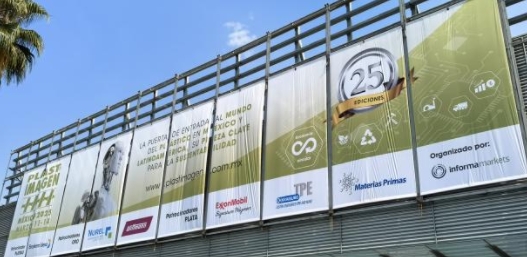
  • From NPE to PLASTIMAGEN MEXICO:  How KYMACH Conquers the International Market
    From NPE to PLASTIMAGEN MEXICO: How KYMACH Conquers the International Market
    On March 11, 2025,  KYMACH made its debut at PLASTIMAGEN MEXICO, showcasing its exhibition machine. This marked a significant milestone in the company's efforts to expand into overseas markets. At the exhibition, KYMACH presented the HK 73 MT twin-screw extruder, specifically designed for international markets. This equipment is specially designed for high-filled and reinforced modified plastics, making it ideal for processing materials such as nylon + short glass fiber and PP + talc powder.     Key features:   1.High Torque Gearbox: With a torque density of up to 12.5 Nm/cm³ and a stable torque output of 2506 N·m, this gearbox ensures reliable operation even under high-load conditions. It's especially suitable for processing high-viscosity, highly filled materials like nylon + short glass fiber and PP + talc powder.   2.High Wear-Resistant Barrel and Screw Design: To tackle the high wear characteristics of nylon and short glass fiber, the extruder is equipped with KYmach’s patented AD-02 nickel-based powder alloy sintered barrel, which offers 1-2 times the wear resistance and 2-4 times the corrosion resistance of standard barrels. This significantly extends the equipment's lifespan.   3.Optimized Screw Design: The specially designed screws effectively disperse short glass fiber, preventing over-shear and breakage, enabling uniform fiber distribution and meeting customers’ demands for high-quality modified plastics.   4.Efficient Temperature Control System: Paired with advanced cooling channel design and Italian CEME brand solenoid valves to maintain stable melt temperature. This prevents material degradation and ensures consistent product quality.   5.Modular Design: The screw combination is modular, allowing for flexible combinations based on different processing needs. This enhances the extruder’s adaptability to a variety of complex filled and reinforced material formulations.   6.Digital Support to Boost Global Competitiveness: KYmach is not only innovating in hardware but also actively exploring digitalization. Through smart, automated solutions, we help our customers gain an edge in the global market. 6.1 Remote Monitoring and Real-Time Diagnostics: Customers can monitor equipment status in real-time through the cloud platform, access detailed data analysis reports, and perform remote troubleshooting and optimization to enable continuous, efficient operation. 6.2 Automated Control System: The PLC control system automatically adjusts processing parameters, ensuring product stability and consistency for every batch and reducing human error. 6.3 Improved Production Efficiency: By using mega data analytics, we help customers optimize production line setups, improve equipment efficiency, and reduce energy consumption by 15%, thus lowering operating costs.   The equipment showcased at PLASTIMAGEN MEXICO has already been successfully acquired by a well-known masterbat...
    March 12, 2025 VIEW details
  • Continual Innovation and Steadfast Tradition  
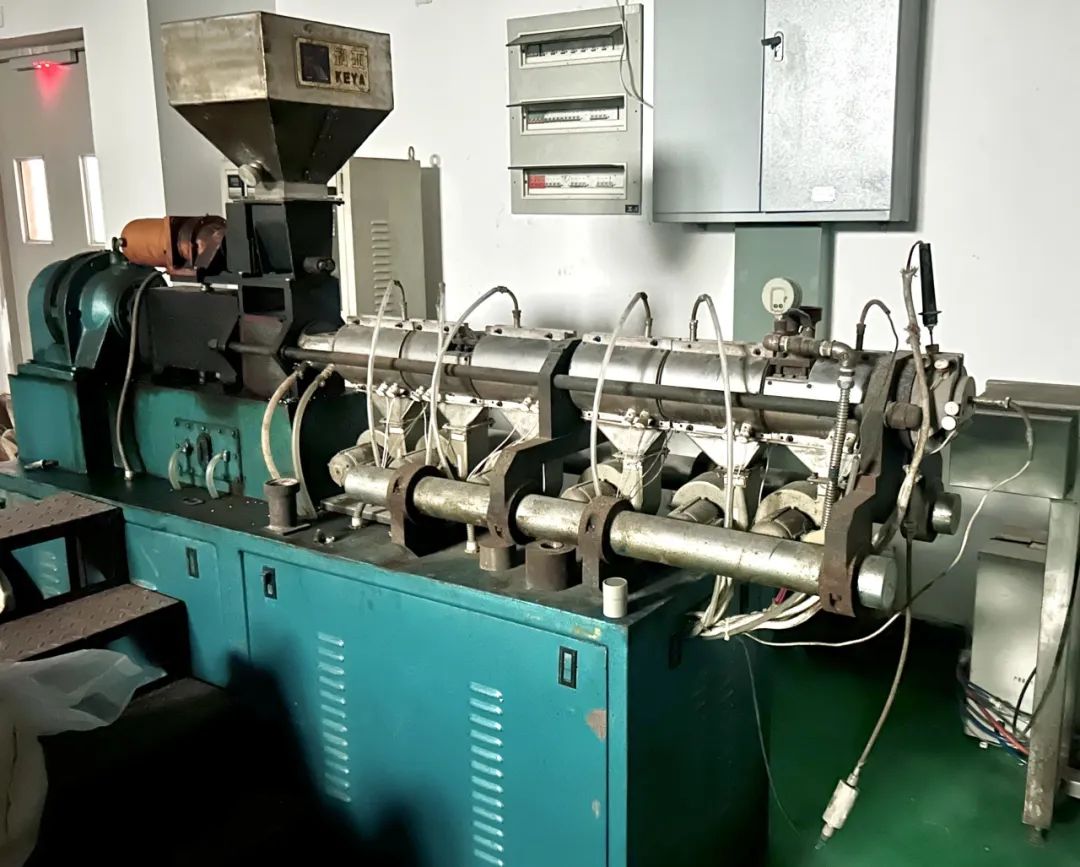
    Continual Innovation and Steadfast Tradition  
    For over 30 years, our first-generation TE-34 extruder has exemplified quality and reliability, operating steadily in the laboratories of Fujian Normal University. It marks a milestone in China’s first-generation extruder technology and showcases KY's exceptional craftsmanship and durability.      Founded in 1993 by Mr. Guangzhi Liu, a pioneer of China’s twin-screw extruder technology, KY has delivered over 10,000 units to more than 60 countries. We are proud to be recognized for the longevity of our machines and the high-quality equipment and services we provide.    As our earliest and most iconic model, the TE series reflects our core values of high-standard design and sustainable craftsmanship. By using premium materials and precise manufacturing, we strike a perfect balance between practicality and durability.    Over the decades, we have continuously adapted to changing market demands and technological advancements through innovation and equipment enhancements. The enduring success of the TE-34 model represents KY’s unwavering commitment to quality and innovation.    Looking ahead, we remain focused on delivering excellence and advancing the industry with superior products and services for years to come. 
    December 19, 2024 VIEW details
  • KY Elected as a Council Member of the Cable Materials Special Committee
    KY Elected as a Council Member of the Cable Materials Special Committee
    On October 31st, Nanjing KY Chemical Machinery Co., Ltd. (hereinafter referred to as "KY") was officially elected as a council member of the Cable Materials Special Committee under the China Plastics Processing Industry Association. Esteemed representatives and fellow council members participated in the election, marking this as an important step for KY in contributing to the cable materials industry.   In recent years, as the cable materials industry has rapidly evolved due to growing demand for high-performance and sustainable solutions, KY has actively responded by developing efficient and advanced production lines. Leveraging state-of-the-art automation and intelligent control systems, KY has significantly enhanced production efficiency and product quality, providing high-value solutions for customers.   By collaborating with industry leaders and stakeholders, KY holds numerous intellectual property rights and technological patents, driving progress through continuous innovation and fostering product advancements. These efforts have not only benefited KY's partners and clients but also contributed to the technological progress and sustainable growth of the cable materials industry.   As a council member, KY is committed to continue working alongside industry peers- exploring new technologies, inventions, and applications in the future.  
    November 22, 2024 VIEW details
  • KYMACH Accelerates Recycled PP Compounding Project During Five-Day Holiday: 5 Twin Screw Extrusion Lines Ordered
    KYMACH Accelerates Recycled PP Compounding Project During Five-Day Holiday: 5 Twin Screw Extrusion Lines Ordered
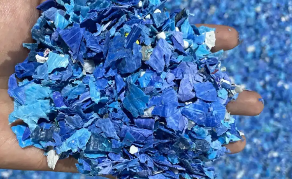
    As the global recycled plastics market continues to expand, demand for recycled PP and PP flake regrind is increasing across a wide range of applications. However, processing recycled PP flakes presents several practical challenges. Flake materials can be difficult to feed consistently, contaminants can place additional demands on the filtration system, and recycled polymer melt can have lower strength, increasing the risk of strand breakage during pelletizing. These characteristics require careful consideration of the feeding system, melt filtration, cooling system, and overall twin screw extrusion process.   Technical Support Continues During the Holiday KYMACH recently had a five-day company holiday. However, customer support and project coordination continued throughout the holiday period. Sales, engineering, after-sales service, and production teams maintained coordinated communication to respond to customer requirements and keep ongoing projects moving. During the holiday period, KYMACH successfully signed a new recycled PP compounding project with Hui Feng Environmental Technology (Anhui) Co., Ltd. The project includes: l 4 × HK73 twin screw extrusion lines l 1 × HK63 twin screw extrusion line The complete system is designed for recycled PP and filler compounding, with a focus on stable feeding, efficient melt filtration, continuous pelletizing, and high production capacity. Three Key Challenges in Recycled PP Flake Processing The customer's material presents demanding processing conditions. The main feed consists of recycled PP flakes with relatively poor flowability and a high level of contamination. Side feeding is used for filler materials such as calcium carbonate. Based on the material characteristics, KYMACH focused on three key areas. 1. Stable Feeding of PP Flakes Flake-shaped recycled materials can be prone to bridging, arching, and unstable feeding. To address this issue, KYMACH developed customized modifications to the feeding screw and feed inlet according to the shape and flow characteristics of the recycled PP flakes. The objective is to maintain continuous material flow into the extrusion system and reduce the risk of bridging, blockage, or material accumulation at the feeding point. 2. High-Capacity Melt Filtration Recycled plastics often contain a higher level of contaminants than virgin polymer. For this application, KYMACH increased the effective filtration area of the melt filter and enhanced its capability for frequent screen changes. The larger filtration area helps manage the contaminant load while reducing excessive melt pressure fluctuation. Stable melt filtration is particularly important for recycled PP compounding because contamination can affect both process stability and the quality of the final pellets. 3. Stable Cooling and Pelletizing Recycled polymer can have relatively low melt strength, making conventional strand cooling and pelletizing more susceptible to ...
    October 10, 2026 VIEW details
  • Ceremony of “China Plastic Machinery- KYmach GUANGZHI Award”
    Ceremony of “China Plastic Machinery- KYmach GUANGZHI Award”
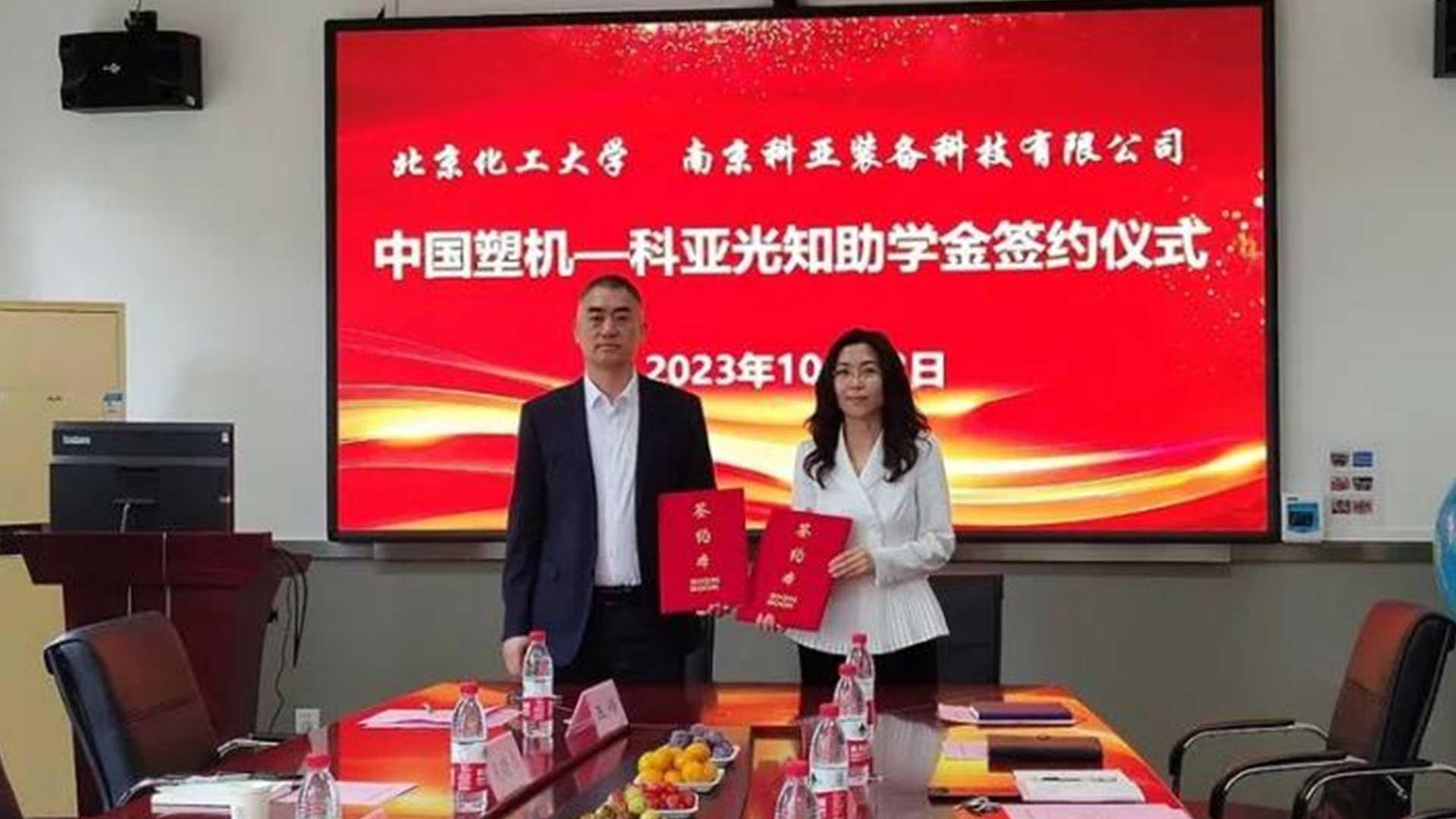
    Host: Wang Feng, Deputy Secretary of the Party Committee of School of Mechanical and Electrical Engineering   Attendee: u China Plastics Machinery Industry Association; u Beijing University of Chemical Technology; u School of Mechanical and Electrical Engineering.   Award Purpose: Help and inspire young students to make contributions to the industry technology innovation.   KYmach Business Scope: Twin screw / Single screw /Triple screw extruder machine; Plastic extruders covering granules, sheet, film, foam, fiber and etc.   The detail: On October 12, 2023, Zhao Zhiming, CEO of Nanjing KY Chemical Machinery Co., Ltd., was invited to co-host the signing ceremony of the "China Plastic Machinery - KYmach GUANGZHI Award" at Beijing University of Chemical Technology. The ceremony was hosted by Wang Feng, the deputy Secretary of the Party Committee of the School of Mechanical and Electrical Engineering, and joined by Su Dongping, and Cui Chunhua.   Mr. Zhao gave a brief introduction of our company and hoped to further strengthen the cooperation with Beijing University of Chemical Technology. Ms. Liu Qinghua, Chairwoman of KYmach, emphasized in her video address the establishment of the "China Plastic Machinery - KYmach GUANGZHI Award", aiming to encourage young students to continue to explore and carry forward the innovative spirit in the industry pioneers.   Cui Chunhua, Deputy Secretary of the Party Committee of Beijing University of Chemical Technology, expressed the same thoughts. The cooperation in talent training, technological innovation, and R&D transformation creates the win-win situation for all aspects, including education, science and technology.   Su Dongping, Executive Vice President of China Plastics Machinery Industry Association, expressed that the association will further play a bridging and binding role, contributing the association's strength to the development of the industry and deeper cooperation between universities and enterprises.   Xue Ping, Director of the Institute of Plastic Machinery at the School of Mechanical and Electrical Engineering, introduced the reward criteria and selection methods for the "China Plastic Machinery - KYmach GUANGZHI Award". Representatives from both sides, Zhao Zhiming and Cui Chunhua, signed the donation agreement for the "China Plastic Machinery - KYmach GUANGZHI Award". 
    August 10, 2024 VIEW details
  • Enhancing Customers Experience, Elevating Experimental Capabilities
    Enhancing Customers Experience, Elevating Experimental Capabilities
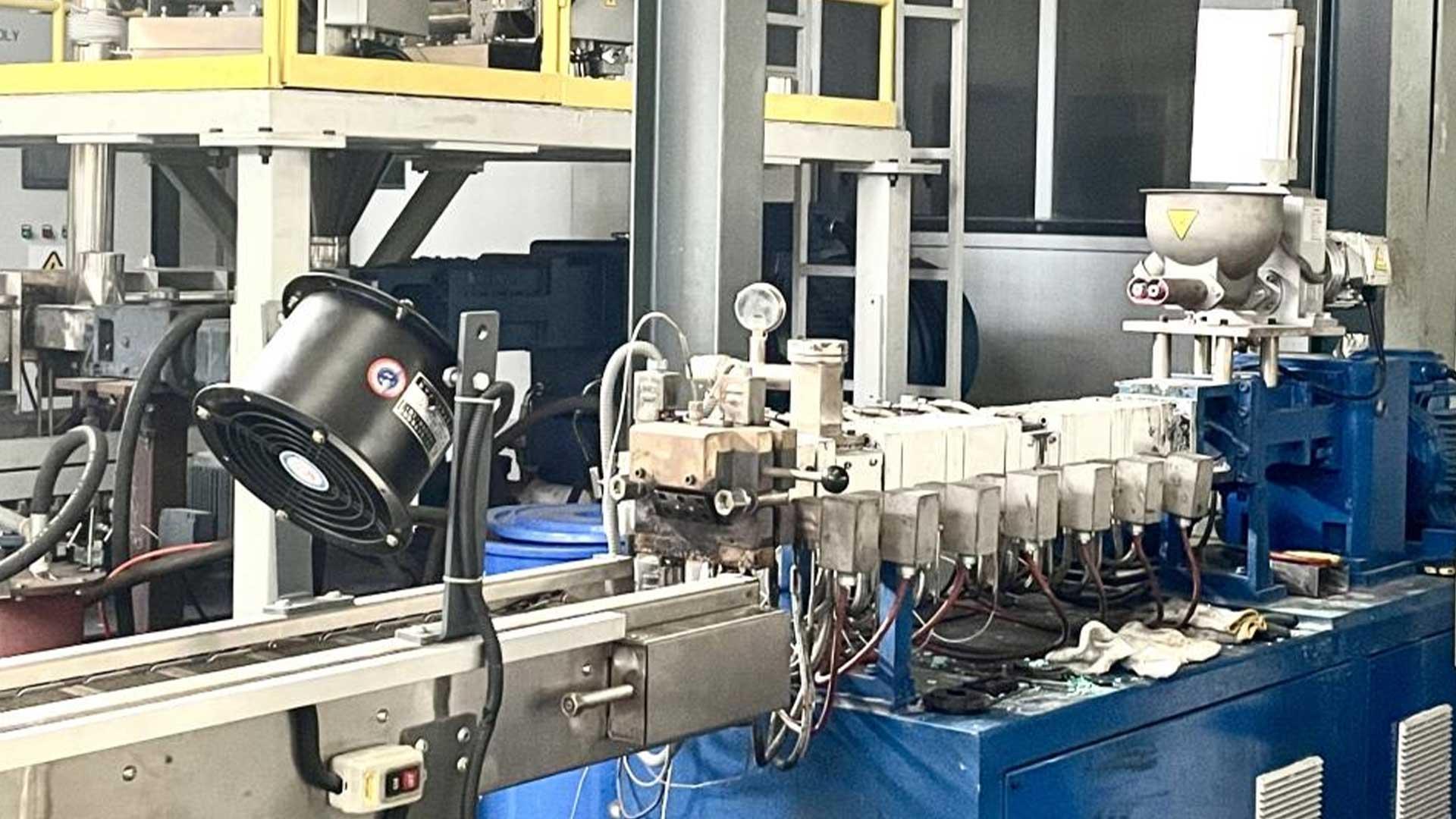
    To better serve our clients, we equipped our R&D laboratory with three cutting-edge extruders. This provides a diverse range of polymer modification experiments conducted by our partner research institutes, universities, and corporate laboratories. The focus is to try resolving production challenges and offering more universal applicable solutions for the polymer compounding and modification industry.   The lab boasts three state-of-the-art devices: HK26, HK36, and SK53. They cover experiments from small-scale samples (as low as 2kg/h) to small-batch production experiments (300kg/h). These machines are utilized in various plastic compounding and modification processes, including filling, reinforcement, alloying, functional masterbatch, and more. The applications extend to continuous compounding extrusion of materials in industries such as pharmaceuticals, food, animal feed, and agricultural fertilizer production.   The lab boasts three state-of-the-art devices: HK26, HK36, and SK53. They cover experiments from small-scale samples (as low as 2kg/h) to small-batch production experiments (300kg/h). These machines are utilized for various plastic compounding and modification processes, including filling, reinforcement, alloying, functional masterbatch, and more. The applications extend to continuous compounding extrusion of materials in industries such as pharmaceuticals, food, animal feed, and agricultural fertilizer production.   HK26 Experimental Extruder:   HK26, our 4th generation co-rotating twin-screw design, is tailored for compounding experiments of small-batch trial samples. The model can scale up to the full 4th generation, featuring integrated design, compact structure, easy installation, and user-friendly operation with a Siemens touch screen.       HK36 Experimental Extruder: The HK36, boasting a longer L/D, is ideal for compounding extrusion experiments with high-filler masterbatch. It accommodates compounding innovation experiments and small-batch orders, with a capacity of approximately 50-100kg/h. Both HK26 and HK36 utilize volumetric feeding and support processes such as water-cooling strand pelletizing and air-cooling conveyor belt pelletizing systems and etc..      SK53-Standard Extruder Production Line:  The SK53 line comes equipped with three loss-in-weight feeders and an automatic feeding system, enabling a comprehensive simulation of batch order production. Three types of materials are individually metered and fed into the extruder automatically. The equipment supports various extrusion pelletizing processes, including water-cooling strand, air-cooling conveyor belt, water-ring die-face, and underwater pelletizing systems and etc.   KYmach has professional R&D and service teams. To allow our customers a hands-on experience, we provide year-round free trials on-site ...
    July 02, 2024 VIEW details
A total of1pages

Online Message

Online Message
If you are interested in our products and want to know more details,please leave a message here,we will reply you as soon as we can.
Submit
Looking for News?
Contact Us #
+86-25-52706155

Our hours

Mon 11/21 - Wed 11/23: 9 AM - 8 PM
Thu 11/24: closed - Happy Thanksgiving!
Fri 11/25: 8 AM - 10 PM
Sat 11/26 - Sun 11/27: 10 AM - 9 PM
(all hours are Eastern Time)

Home

Products

whatsApp

contact